

Press Release
World Refugee Day 2026
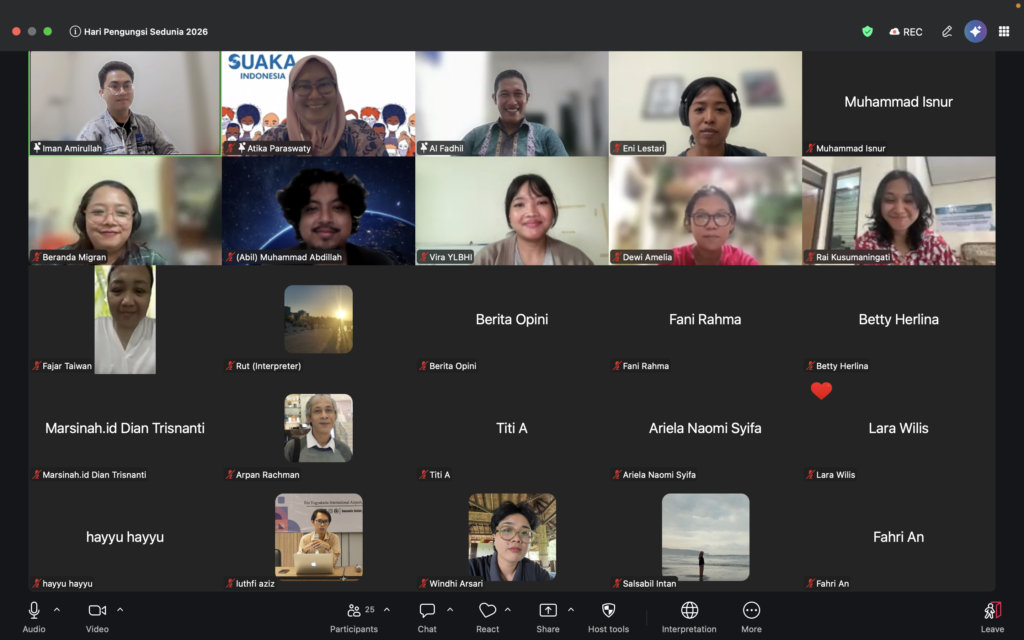
Thursday, 25 June 2026, Milk Tea Alliance for Refugees which includes Indonesia Legal Aid Foundation (YLBHI), Beranda Migran, KontraS, Marsinah.id, and International Migrants Alliance (IMA) held a public discussion called “Surviving Amidst the Hatred: Rohingya’s Resilience and Solidarity that Protects Hope” in commemorating of World Refugee Day 2026.
Coming from our collective concerns regarding the global humanity crisis and the uncertainty of refugees’ fate, this year’s global thematic “Until Everyone is Safe” which is intended to reaffirm that safety, protection, and a decent life are an inherent part of human dignity and must be experienced by everyone without exception.
This discussion forum broadly highlights the rise in anti-refugee sentiment, disinformation, disregard for basic rights, and protection challenges faced by Rohingya refugees in Indonesia
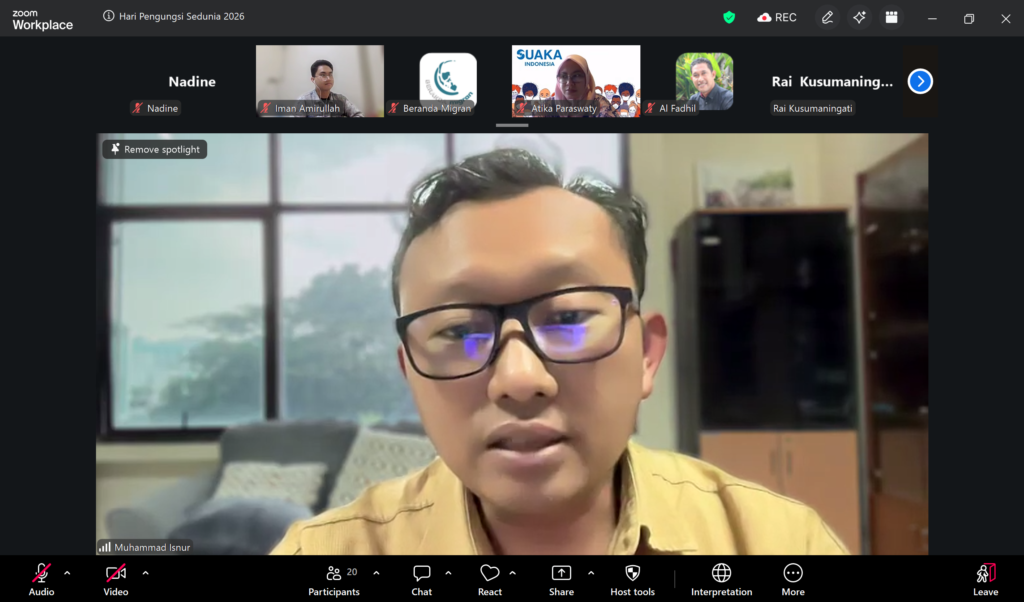
The discussion was opened by YLBHI Chair Muhammad Isnur. In his opening remarks, he emphasized that the protection for refugees is part of a humanitarian commitment deeply rooted in Indonesia’s history and constitution.
“Discrimination rooted in hatred toward refugees is not only a threat to the refugees themselves, but also an affront to our human values, our constitution, and our national identity,” he said.
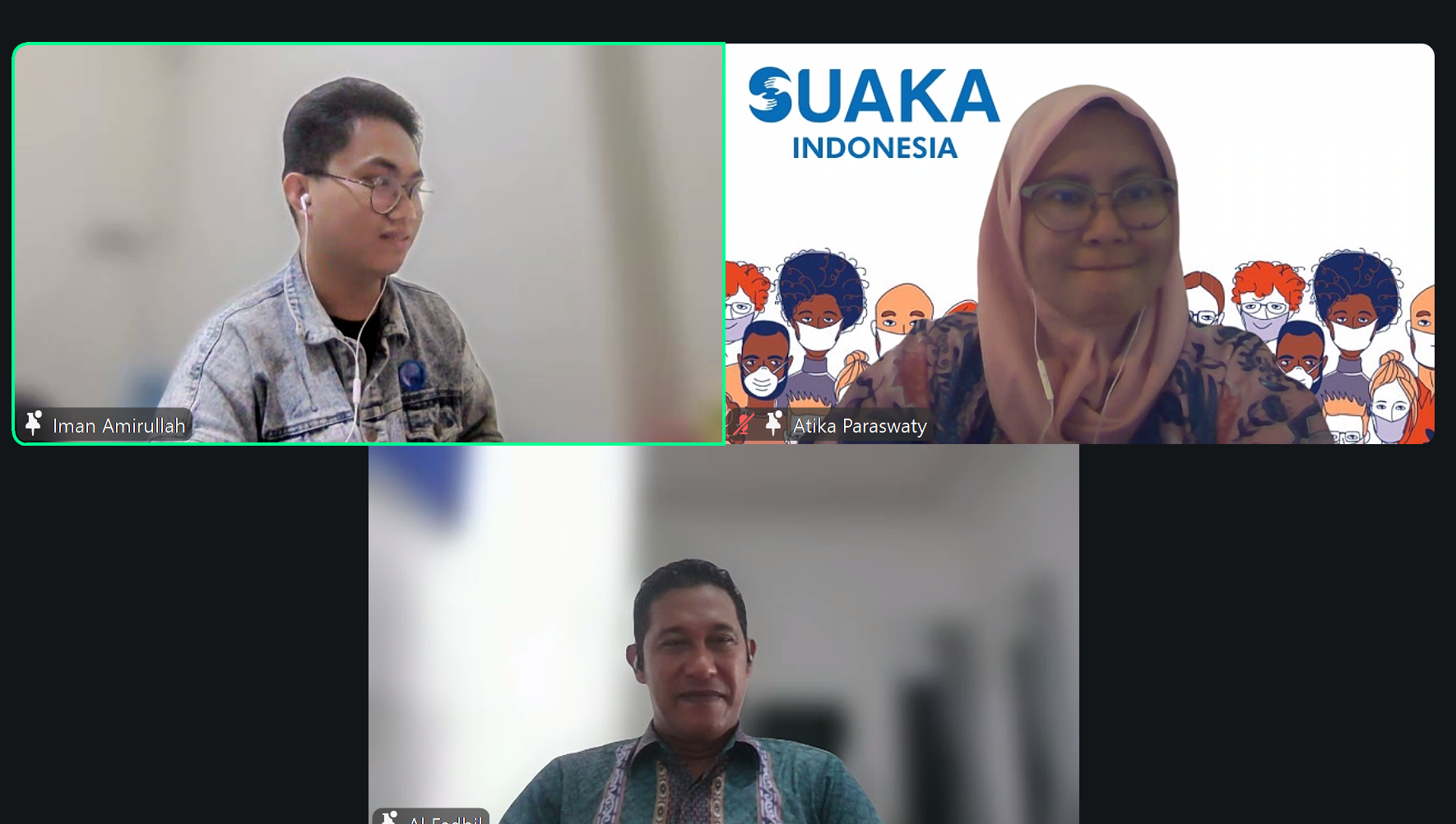
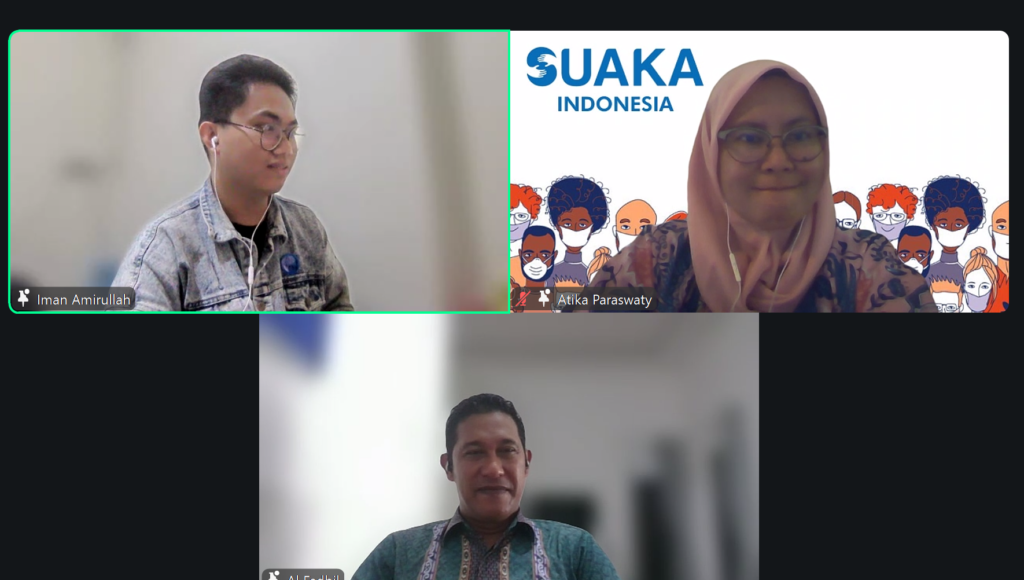
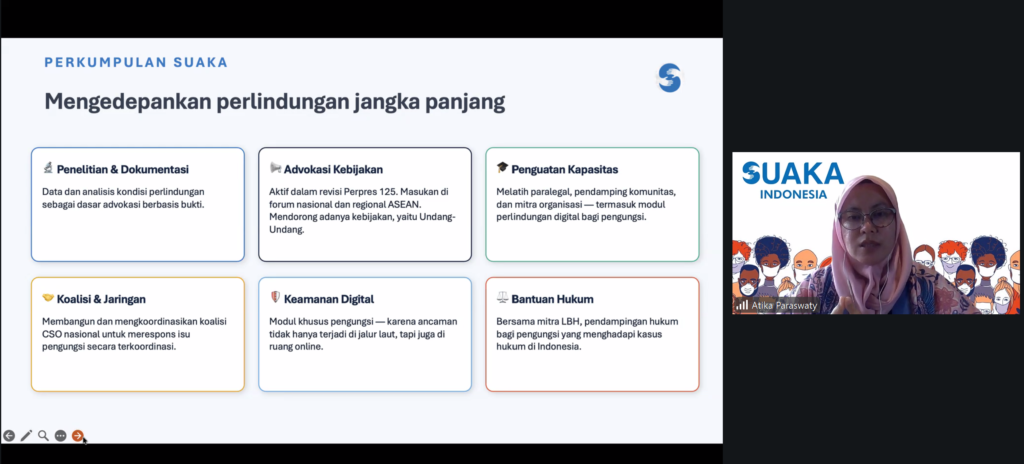
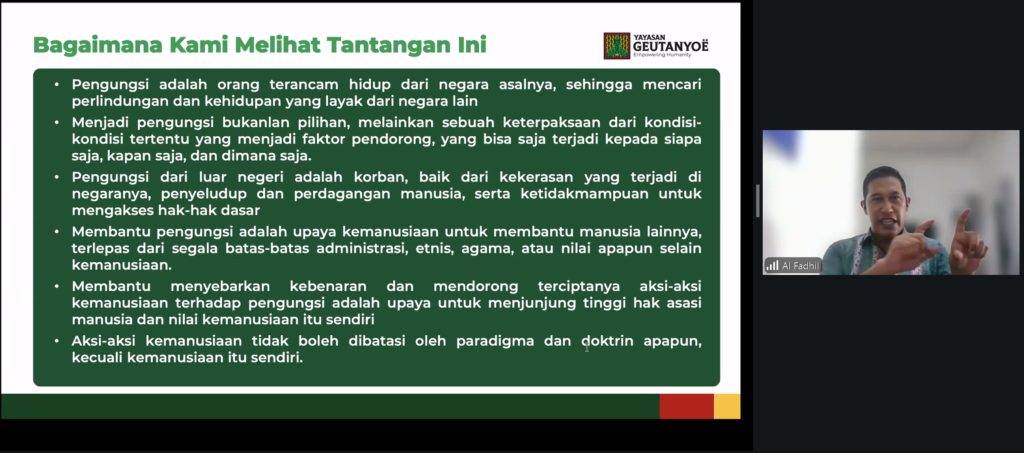
This discussion featured two speakers: Atika Paraswaty, Chair of the SUAKA Association, and Al Fadhil, S.Pd.I., M.H., Director of the Geutanyoe Foundation. In her presentation, Atika Paraswaty, Chair of the SUAKA Association, explained that as of March 2026, there were 12,238 asylum seekers and refugees in Indonesia, with approximately 2,700 of them being Rohingya refugees. Refugees from Myanmar, including the Rohingya, constitute the second-largest group after those from Afghanistan.
Atika explained that the rise in xenophobia specifically targeting the Rohingya refugee community is not a naturally occurring phenomenon. Rather, it is a systemic pattern driven by structured disinformation, a lack of public knowledge about the roots of the Rohingya crisis, weak counter-narratives, and the manipulation of various local social and economic issues. This phenomenon is further exacerbated by the increasing normalization of xenophobic rhetoric.
“The way we perceive other groups can be shaped by disinformation. When hatred is continuously normalized, empathy gradually erodes, and violence comes to be seen as something ordinary. That is why empathy must serve as the primary foundation for protecting refugees,” Atika said.
Atika also highlighted various incidents of rejection of Rohingya refugees that have occurred in recent years, ranging from forced evictions at shelters to the refusal to allow refugee boats to dock. She explained that these events are not isolated incidents, but rather part of a pattern that requires collective vigilance.
Echoing Atika’s remarks, Al Fadhil, Director of the Geutanyoe Foundation, noted that Rohingya refugees face serious challenges during their stay in Indonesia. These challenges include rejection by some members of the public, limited access to education and health care, restrictions on legal employment, a decline in humanitarian aid, and delays in the resettlement process to third countries.
Nevertheless, Al Fadhil emphasized that, despite these challenges, many acts of solidarity continue to emerge at the community level. One such example occurred when floods struck Lhokseumawe in late 2025, during which Rohingya refugees helped affected residents by distributing supplies and providing humanitarian aid.
“Refugees are not criminals. Seeking refuge is a last resort when someone no longer has a safe place to live. Humanitarian action must not be limited by anything other than the value of humanity itself,” Al Fadhil asserted.
The speakers also highlighted the importance of the state’s role in strengthening refugee protection policies in Indonesia. Although Indonesia already has a state mandate through Presidential Regulation No. 125 of 2016 on the Handling of Refugees from Abroad, various civil society organizations believe that a more comprehensive legal framework is still needed to provide legal certainty in ensuring the fulfillment of refugees’ basic rights, particularly those of women and children.
Through the observance of World Refugee Day 2026, the Civil Society Coalition jointly calls on the public to be more critical of circulating information, to reject and stop the spread of hate speech, and to further strengthen solidarity with groups forced to leave their homes due to conflict, persecution, and human rights violations.
Event Documentation: Access here
Discussion Recording (Bahasa Indonesia): Access here
Contact Person:
Iman Amirullah
Milk Tea Alliance Indonesia for Refugees
kimberanda.migran(@)gmail.com
